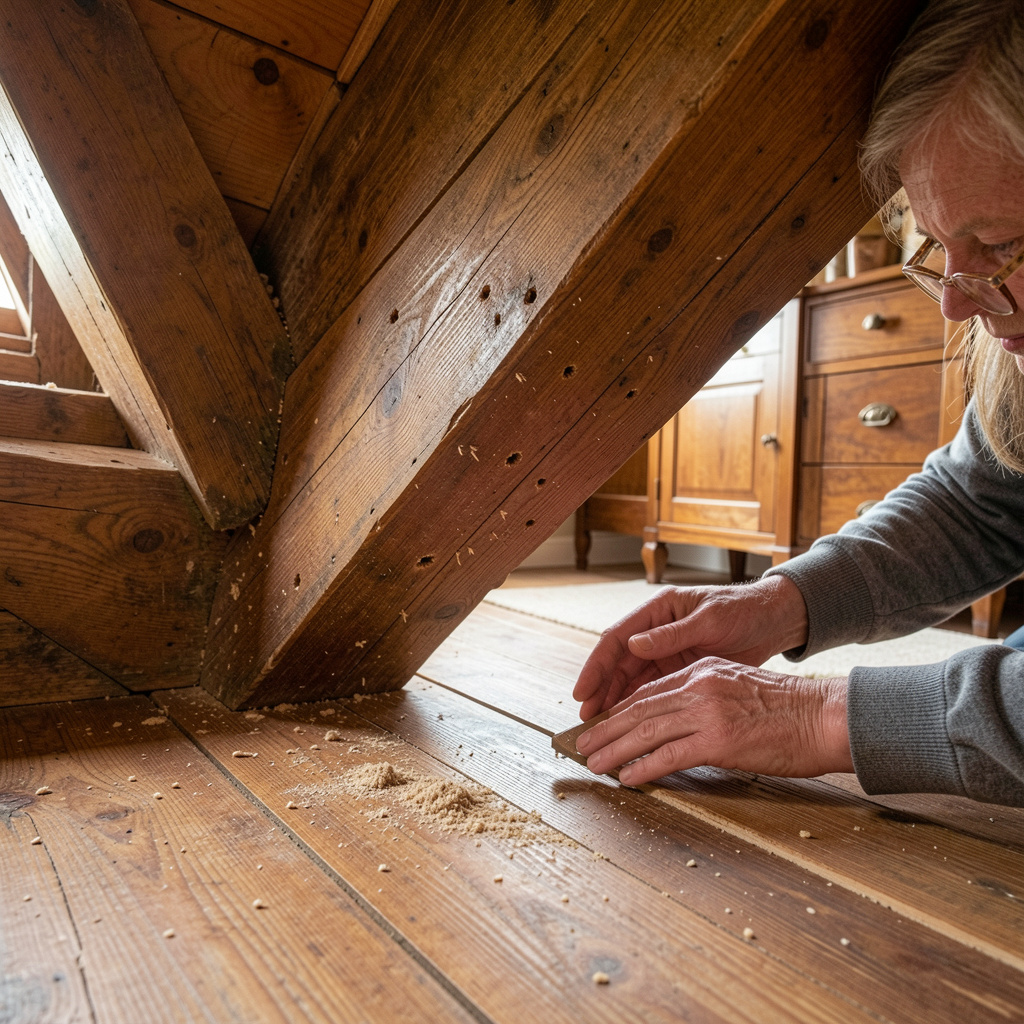
Woodworm infestation is one of the most common hidden threats to wooden homes, furniture, flooring, roof beams, and structural timber. Because woodworm larvae live inside wood, damage often develops quietly before homeowners realize there is a problem. By the time visible signs appear, infestation may already be spreading inside timber.
Many homeowners mistakenly ignore small holes or weak wood, believing the problem is minor. However, recognizing woodworm infestation warning signs early can help reduce serious damage and avoid expensive repairs.
The good news is that woodworm often leaves clues, and learning to identify them early can help protect timber and stop infestation from spreading.
Many homeowners researching timber care through shashel.eu/ understand that early detection is one of the smartest ways to protect wooden structures from long-term damage.
In this guide, we will explain the most important woodworm infestation warning signs and what homeowners should watch for.
Tiny Holes in Wood
One of the most common warning signs is:
Small round holes in timber
Why This Happens
Adult beetles emerge from wood and leave:
- Tiny exit holes
Areas Worth Checking
Inspect:
- Furniture
- Roof beams
- Wooden floors
Why This Matters
Fresh holes may indicate:
- Active infestation
Routine inspections matter.
Fast action improves outcomes.
Many homeowners exploring timber care through shashel.eu understand that even tiny holes deserve attention.
Powdery Dust (Frass)
Another major warning sign is:
Fine wood dust
often found near holes.
Why This Happens
Woodworm larvae tunnel through wood and leave behind:
- Powdery material
This material is commonly called:
- Frass
Why This Matters
Fresh dust may indicate:
- Active woodworm activity
Never ignore powder near timber.
Weak or Crumbling Wood
Woodworm weakens timber internally.
Common Signs Include
Wood may feel:
- Soft
- Weak
Why This Matters
Damage may already exist:
Inside timber
even when surfaces still appear normal.
Healthy wood should feel solid.
Routine checks matter.
Hollow or Damaged Timber
Some wood may sound unusual.
What to Watch For
Wood may sound:
- Hollow
when lightly tapped.
Why This Matters
Internal tunneling may weaken:
- Structural timber
Fast action helps reduce larger problems.
Prevention saves money.
Beetles Near Wooden Areas
Adult beetles sometimes appear indoors.
Why This Matters
Beetles near wood may indicate:
- Active egg-laying activity
High-Risk Areas Include
- Window areas
- Roof spaces
- Wooden furniture
Routine inspection improves prevention.
Many homeowners researching timber care through shashel.eu understand that beetle activity indoors deserves attention.
Damaged Furniture
Furniture often shows early signs.
Common Furniture Warning Signs Include
- Tiny holes
- Loose joints
- Weak wood
Why This Matters
Woodworm may quietly damage:
- Tables
- Cabinets
- Bookshelves
Fast treatment helps preserve furniture.
Healthy wood lasts longer.
Moisture Problems Increase Risk
Damp timber often attracts woodworm.
Why Dampness Matters
Woodworm commonly prefers wood that becomes:
- Damp
- Soft
Common Moisture Sources Include
- Roof leaks
- Pipe leaks
- Condensation
Dry timber naturally discourages infestation.
Healthy homes stay drier.
Hidden Roof Beam Damage
Woodworm often affects structural timber.
High-Risk Structural Areas Include
- Roof beams
- Ceiling joists
- Floor supports
Why This Matters
Structural weakening may happen quietly.
Routine inspections improve safety.
Never overlook hidden spaces.
Inspect Hidden Areas Regularly
Infestation often remains concealed.
High-Risk Hidden Areas Include
- Attics
- Roof spaces
- Underfloor areas
Why Hidden Inspections Matter
Damage may spread unnoticed.
Consistency protects timber.
Healthy homes matter.
Modern Treatment Options Continue Improving
Modern timber care continues evolving.
Common Solutions Include
- Heat treatment
- Microwave treatment
These methods may help target:
- Hidden larvae
- Internal infestation
while reducing heavy chemical exposure.
Professional advice improves outcomes.
Common Mistakes Homeowners Make
Ignoring Tiny Holes
Small signs often indicate deeper issues.
Delaying Action
Infestation spreads quietly.
Ignoring Moisture
Damp timber attracts woodworm.
Skipping Inspections
Hidden problems remain unnoticed.
Routine care improves protection.
Long-Term Prevention Tips
Keep Timber Dry
Dry wood discourages infestation.
Improve Ventilation
Healthy airflow matters.
Inspect Regularly
Small warning signs deserve attention.
Fix Leaks Quickly
Moisture increases infestation risk.
Consistency protects timber.
Conclusion
Recognizing woodworm infestation warning signs early can help homeowners prevent serious timber damage and avoid expensive repairs. Signs such as tiny holes, powdery dust, weak wood, beetle activity, and hidden structural weakening should never be ignored.
Keeping timber dry, improving ventilation, checking hidden areas, and responding quickly to warning signs are some of the best ways to reduce infestation risks.